


Call us Today
Email us Today
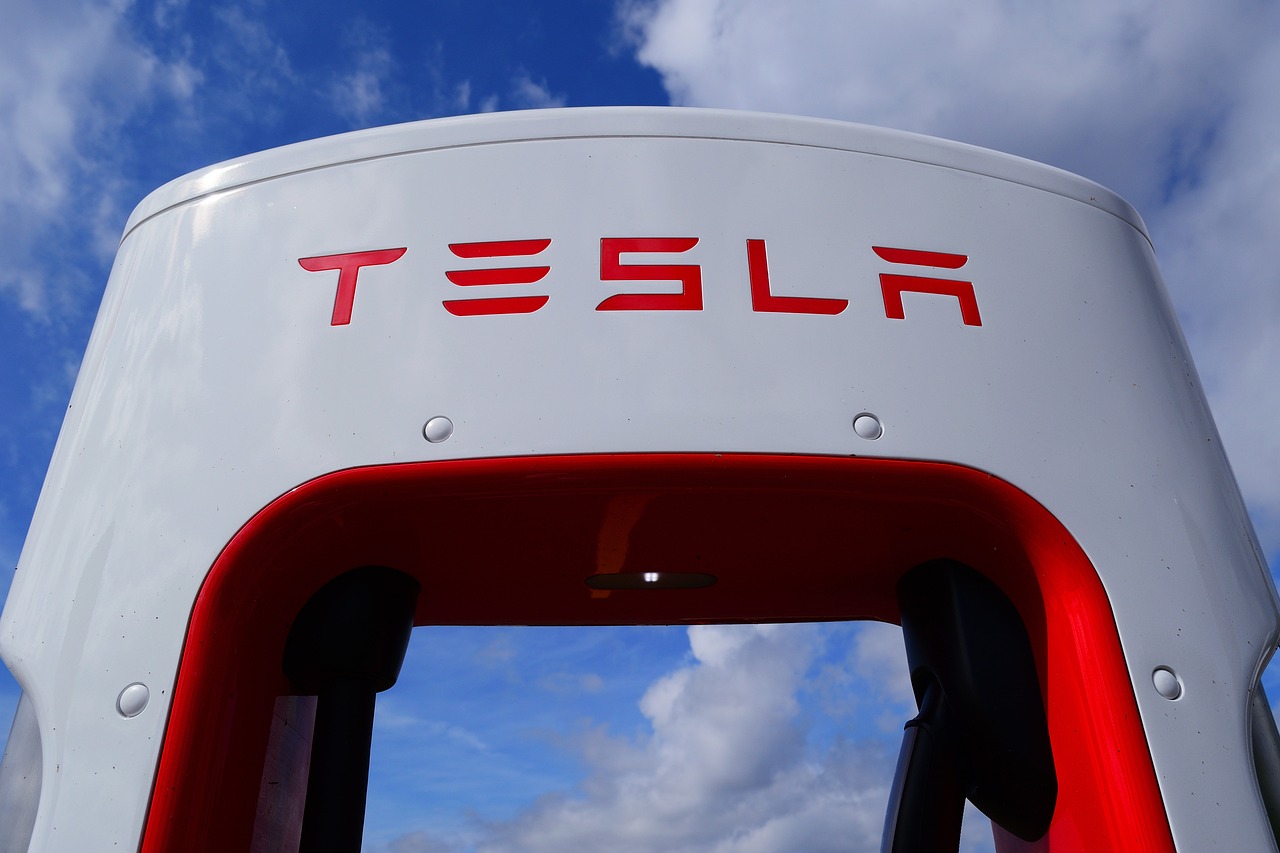
The EV charging market is scaling fast — but standing out as a turnkey solution provider takes more than offering reliable hardware. This guide equips providers with the tools to elevate visibility, attract high-value partners, and close more deals in a growing $128 billion industry.
Key takeaways include:
Packaging Complete Solutions: Turnkey providers win by delivering full-service packages—design, permitting, software integration, and maintenance—that simplify EV infrastructure for property owners and fleet operators.
Strategic Partnerships Drive Scale: Collaborations with utilities, manufacturers, software vendors, and site hosts enable faster deployments, better customer experiences, and broader reach without inflating overhead.
Digital Marketing That Converts: High-performing websites, strong SEO fundamentals, and targeted email campaigns help providers educate, capture, and convert commercial leads online.
Offline Marketing Still Works: Direct mail, local networking, and trade shows create trust and visibility with decision-makers like property managers who often overlook digital outreach.
Monetizing and Measuring for Growth: Providers can unlock new revenue streams through station ad space and track success through core metrics like charge start success, session rates, and acquisition cost benchmarks.
Incentives as a Sales Lever: Simplifying access to local, state, and federal rebates—along with helpful tools like calculators—positions providers as trusted experts, not just vendors.
This guide helps turnkey EV charging companies refine their messaging, prioritize the right marketing channels, and accelerate growth in a highly competitive, rapidly expanding market.
26 million electric vehicles now travel on roads worldwide. The numbers tell an impressive story. EV market share skyrocketed from 0.04% in 2013 to 14% in 2022.
The EV charging solutions industry has grown into a $26.3 billion market. Experts predict this figure could reach $128 billion by 2030. Modern customers need more than just hardware – they seek reliable partners who understand their complete charging needs.
Growth indicators look promising. Electric vehicles could make up a third of all U.S. vehicles by 2025. Canadian regulations will require all new passenger vehicles to produce zero emissions by 2035. The EU has set similar targets to eliminate emissions that same year.
This piece outlines tested marketing strategies that will help you excel as a complete EV charging solution provider. The opportunity to claim your market share awaits.
Success in the EV charging business demands more than just equipment. A complete service offering, smart pricing, and strong supply partnerships make all the difference.
Turnkey solutions make EV charging deployment simple by bundling all components into one package. Your customers value specific elements that should shape your offering.
A complete turnkey package has these essential components:
Site assessment and customized design
Permit management and regulatory compliance
Hardware selection and installation
Software integration for payment and monitoring
Ongoing maintenance and customer support
“The complete turnkey solution manages all aspects from charging infrastructure order to operation, including grant writing and utility company interactions,” notes Volvo Trucks, which offers these services for fleet electrification.
Your choice of business model shapes your service package. Most businesses fit into four categories:
Charging networks: Own and operate stations across multiple locations, like gas station chains
Turnkey installers: Provide hardware, software, permitting and installation expertise
Service providers: Add ongoing maintenance, financing, or operation services
Consultants: Give advice on charger selection and site planning without installation
The best approach starts with one vertical market. Specific sectors such as apartment buildings, commercial real estate, hotels, or retail locations help you build expertise and references.
Your pricing model affects customer adoption and profits. These approaches work well:
Time-based pricing: Customers pay by the minute. This benefits faster-charging vehicles but might seem unfair to owners of slower-charging models.
Energy-based pricing: Payment per kWh creates fairness whatever the vehicle type.
Fixed-rate pricing: Subscription models create loyalty but might discourage occasional users.
Hybrid pricing: Time and energy measurements together encourage users to move vehicles once charged. This improves station availability.
Live pricing maximizes utilization and revenue. Off-peak discounts create customer savings while balancing network load. Customers who value charging convenience will pay premium prices for better station availability.
Research shows reliability ranks above price as the top concern for customers choosing charging stations in both China and the US. A reliable network commands premium pricing.
Mutually beneficial alliances speed up growth and reduce investment risks. Key partners play specific roles:
Hardware manufacturers: ABB, Delta Electronics, EVBox, or Siemens provide reliable equipment.
Electric utilities: These partners plan electrical infrastructure. Many take part in installation and offer incentives.
Software providers: Companies like ChargePoint offer management systems that monitor stations, handle payments, and gather usage data.
Site hosts: Businesses or municipalities get foot traffic while providing prime locations. Tourism spots, local businesses, and community sites become valuable partners.
Volvo’s approach shows the possibilities: “The Turnkey Solutions program has two full-service partners—InCharge Energy and Gilbarco Veeder-Root—available to all Volvo Trucks North America customers”. This partnership lets Volvo deliver complete solutions without developing every component internally.
Local partnerships build community trust. The Bronzeville community project worked with ComEd and Innova EV to provide ride-sharing services for seniors. This shows how EV infrastructure helps meet local needs.
Digital marketing helps turnkey EV charging businesses stand out in today’s competitive digital world. A detailed online plan helps you connect with potential customers who search for complete charging solutions.
Your website works as your digital storefront. FLO, a leading EV charging provider, rebuilt their site with clear pathways that guide different visitors to relevant information. Their strategy focused on easy-to-use navigation for property managers, fleet operators, and other core team members.
A results-driven website needs:
Dedicated landing pages for each service segment (Level 2 charging, DC fast charging, etc.)
Interactive tools like incentive calculators or charging cost estimators
Clear calls-to-action that guide visitors to contact forms or quote requests
Client testimonials and case studies that show successful installations
White-label options can boost your professional image for turnkey providers. EV Connect offers a white-label platform that lets charging operators deliver “a seamless EV charging experience with a branded driver mobile app and management portal”. This makes your business look more established and trustworthy.
Local SEO works especially well for EV charging businesses. According to Moz, “having a presence in Google’s local search results—including local packs, local finders, Google Business Profiles, and Google Maps—should be core to your digital strategy”.
Smart SEO strategies for turnkey charging providers:
Set up your Google Business Profile with the right “Electric vehicle charging station” category
Focus on keywords like “EV charging installation” (12,100 monthly searches) and “EV charging station installation” (12,100 monthly searches)
Write location-specific content for each area you serve
Keep NAP (Name, Address, Phone) information consistent across platforms
Moz suggests that “you can use the free review link generator and then shorten the URL using a service like bitly for text or email-based review requests”. Reviews shape local rankings and customer trust.
Social media creates awareness and brings qualified leads for your turnkey solutions. Ambassify notes that social media marketing helps “magnify your marketing efforts” and “distribute your content on a large scale”.
Winning approaches include:
Educational content about EV charging benefits and installation processes
Case studies of successful installations with before/after images
Updates about incentives and rebates in your service areas
Connections with sustainability-focused groups and communities
“By using platforms such as Facebook, Instagram, Twitter, and LinkedIn, you can reach potential customers in a very targeted way,” notes GrasenCharge. Their example shows how “FB ads can be created to promote your business to people who have liked EV charging pages or have shown signs of EV ownership in the past”.
Targeted email marketing drives conversions for turnkey EV charging providers. According to iFrog Marketing, “email marketing is a crucial tool” that needs personalization to work.
Successful email campaigns should:
Split your list by prospect type (property managers, fleet operators, etc.)
Customize content based on previous interactions
Share educational resources like EV charging guides
Add clear calls-to-action to schedule consultations
“By personalizing your email campaigns,” iFrog notes, “you can establish a deeper connection with your subscribers”. Automated sequences triggered by specific actions, like downloading a guide or asking for information, work well.
Email marketing delivers great returns, with “an average of USD 36.00 for every dollar they spend”. This makes it affordable for turnkey providers with longer sales cycles.
Physical presence builds credibility in ways digital channels cannot match, even as online platforms expand reach for turnkey EV charging solution providers.
Trade shows provide direct access to qualified prospects. The annual Electric Vehicle Charging Infrastructure Conference connects charging companies with state DOT officials, energy companies, and OEMs. These face-to-face meetings often guide companies toward strategic collaborations that are hard to develop online.
Your trade show ROI will improve when you:
Research attendee demographics before choosing events
Schedule pre-show meetings with key prospects
Prepare interactive demonstrations of your charging management software
Capture leads systematically
Follow up within 48 hours after the event
“The booth traffic has been phenomenal,” noted Mike Wade from Simply Fuel Solutions after exhibiting at an EV charging summit. Unlike casual website visitors, many attendees come prepared to make purchasing decisions.
Major industry events cost between $500-2,500 for registration. A single contract can deliver returns many times that investment. Charging providers often close deals worth $15,000+ from connections made at these gatherings.
Property managers make excellent candidates for direct mail campaigns. They don’t deal very well with digital channels. Direct mail achieves approximately 5.3% response rates—higher than most digital methods.
A property manager in Seattle shared: “We ignored three email campaigns about EV charging, but the detailed packet showing installation photos and ROI calculations got our attention. We called for a consultation that week.”
Your direct mail for property managers should have:
Before/after installation images
Specific ROI calculations for their property type
Testimonials from similar properties
Clear next steps
Stagger your mailings throughout the month instead of sending them all at once. This creates steady lead flow and prevents your sales team from becoming overwhelmed.
Chamber of commerce meetings, sustainability roundtables, and real estate associations create perfect opportunities for EV charging introductions. These gatherings let you address concerns in real time.
Strategic networking with utilities offers exceptional value. One provider explained: “Our local utility company’s partnership helped us guide through regulatory requirements and secure incentives for customers—both major selling points in our pitch.”
Clean Cities coalitions operate nationwide to help businesses launch EV infrastructure projects. These organizations connect charging providers with property owners looking for solutions.
It’s worth mentioning that networking results compound over time. The third or fourth conversation often brings results, not necessarily the first meeting.
Government incentives create powerful marketing opportunities for turnkey EV charging providers. Tax credits reach up to $1,000 for residential chargers and $100,000 for commercial installations through 2032. These financial benefits serve as compelling selling points.
Federal incentives are the life-blood of EV charging economics. The Inflation Reduction Act has extended the Alternative Fuel Vehicle Refueling Property Credit until December 2032. This offers:
30% credit (up to $1,000) for home charging equipment
30% credit (up to $100,000 per charger) for commercial installations meeting common wage requirements
Direct pay options for tax-exempt organizations
Location plays a crucial role in eligibility. Since January 2023, charging equipment installations must be in eligible census tracts. <citation index=”2″ link=”https://www.irs.gov/credits-deductions/alternative-fuel-vehicle-refueling-property-credit” similar_text=”To qualify, the refueling or recharging property must be installed in a low-income community census tract or non-urban census tract. Follow these steps based on the date when you placed the property in service to see if your location qualifies. For property placed in service before January 1, 2025:
Locate your property on the 2015 Census Tract Identifier and copy your 11-digit census tract geographic identifier (GEOID).
Look up your GEOID in Appendix A PDF. If your GEOID is not listed, then your property is not eligible for the credit. For property placed in service after January 1, 2025:
Locate your property on the 2020 Census Tract Identifier and copy your 11-digit census tract geographic identifier (GEOID).
Look up your GEOID in Appendix B PDF. If your GEOID is not listed, then your property is not eligible for the credit.”>These areas need poverty rates above 20% or median family income below 80% of statewide median.
State-level support shows significant variation. California’s Electric Vehicle Infrastructure Project covers 50% of costs when sites install at least four DC fast chargers. New York’s Charge NY initiative runs specialized programs for multifamily buildings and workplaces.
Smart tools help turn complex incentives into clear benefits. Your marketing can reference or copy several calculators from the Department of Energy’s Alternative Fuels Data Center:
Vehicle Cost Calculator comparing ownership costs across models
JOBS Model estimating economic impacts of infrastructure deployment
Charging Hub Economic & Costing Tool calculating levelized charging costs
“We built a simple calculator showing potential savings after incentives. Property managers who previously ignored our emails started calling us,” said an EV charging provider. Their consultation requests rose 40% after adding the tool.
Businesses struggle to understand incentive programs. This creates consulting opportunities. Many companies need help to guide complicated applications for programs like the National Electric Vehicle Infrastructure (NEVI) Formula Program’s $5 billion in funding.
A consultant revealed: “A developer almost gave up their charging project. We showed them how three incentive programs covered 75% of costs. That project became our best reference installation.”
Show your expertise through:
Regular incentive update newsletters
Webinars explaining new funding opportunities
Case studies highlighting successful incentive applications
Strategic collaborations with utilities offering additional rebates
Adding incentive application assistance to your turnkey package helps separate you from competitors. Many providers just mention available programs without offering guidance help.
You can’t improve what you don’t measure in the EV charging business. Companies that don’t track essential metrics often lose their way in this competitive market.
Successful EV charging companies need to watch both customer experience and operational metrics:
Charge Start Success – The percentage of charge attempts that successfully deliver power. Research shows this simple metric directly affects customer satisfaction and loyalty.
Session Success – Percentage of charge attempts that successfully start and complete charging. This complete measurement helps spot where customers face difficulties.
Charge Start Time – Seconds needed to begin power delivery after a charge attempt. Quick starts create better experiences, with top providers aiming for under 30 seconds.
Waiting Probability – The chance customers will wait for an available charger. High wait times signal the need to add more chargers.
“Our monthly revenue shot up 65% when we added three more chargers after wait times hit 40% during rush hour,” says a Seattle station operator. “Customers stopped leaving for other stations.”
Smart companies adapt their approach based on how customers use their services. The global EV charging market should reach $286.91 billion by 2032, with 28.3% yearly growth. This creates a chance to grow and pressure to adapt quickly.
Location matters significantly. The Asia-Pacific EV charging infrastructure market grows faster at 29.6% CAGR, which suggests different investment needs across regions.
A California charging network manager explains: “Our station data showed 70% of customers used our mobile app. We moved our marketing money from billboards to app promotion and saw 22% more stations being used.”
Customer acquisition cost (CAC) shows how well marketing works. The simple formula takes marketing and sales costs divided by new customers gained.
EV charging providers aim for CAC payback within 12 months. This helps them know if their customer strategies make financial sense.
US battery EV charging costs average $0.15/kWh with equipment. Drivers save $3,000 to $10,500 in fuel costs over 15 years compared to gas vehicles. These numbers determine how much companies can spend to acquire customers while staying profitable.
Price models affect how companies attract and keep customers. They can charge by time, energy use, fixed rates, or mixed approaches. Each option draws different types of customers and changes long-term revenue.
Success in marketing turnkey EV charging solutions just needs digital excellence paired with physical presence. You can achieve success by providing complete solutions that make the complex trip from site assessment to operations management easier.
The data tells a compelling story. Station operators see their revenue jump 65% when they expand based on usage patterns. Property managers who skipped three email campaigns quickly acted on direct mail that showed clear ROI calculations.
The numbers speak volumes – today’s market size stands at $26.3 billion and will reach $128 billion by 2030. Government incentives make the deal even better with up to $100,000 available per commercial charger through 2032.
Your message should resonate with each stakeholder differently. CFOs look for ROI figures while sustainability officers seek emissions data. Facility managers value simple maintenance. Destiny Marketing Solutions helps companies market their turnkey EV charging solutions effectively.
The best approach starts small with relentless measurement and quick adjustments. Choose one vertical market to perfect your strategy before expanding. Keep your focus on solving customer’s real problems instead of pushing hardware sales. Companies that simplify complex infrastructure thrive in the EV charging market.
Explore tailored strategies to position your turnkey EV charging company as a go-to provider. Learn how to boost visibility, generate leads, and scale with clarity.
Turnkey EV charging companies don’t just sell hardware—they provide full-service infrastructure that simplifies EV adoption. Whether you’re targeting property managers, municipalities, or fleet operators, your ability to communicate reliability, ROI, and regulatory know-how sets you apart. This FAQ answers the most pressing questions about branding, customer acquisition, incentives, and monetization—helping you market smarter and grow faster in a $128B industry.
Custom branding at EV charging stations isn’t just about looks—it’s a strategic way to build trust, increase visibility, and differentiate your business in a growing market. Here’s how turnkey EV charging companies can use branding effectively:
Custom branding turns your charging stations into high-traffic billboards that build brand equity and encourage loyalty. Done right, it makes your network memorable, trusted, and easy to refer.
For turnkey EV charging providers, QR codes and email capture are powerful tools to turn everyday charger use into long-term customer relationships. Here’s how to use them effectively:
When used together, QR codes and email sign-ups transform passive charger users into active brand followers—creating a direct, owned channel for building relationships and repeat business.
Turnkey EV charging companies can turn their stations into revenue-generating assets by offering advertising opportunities to brands that want to reach a tech-savvy, eco-conscious, and often affluent audience. Here’s how to monetize ad space effectively:
By treating charging stations as media assets, turnkey EV providers can unlock a new revenue stream—while offering added value to businesses looking to reach EV drivers in a meaningful, location-based way.
Customer feedback is one of the most powerful tools in your EV charging infrastructure marketing strategy. It influences trust, shapes messaging, and drives continuous improvement. Here’s how it contributes to success:
Customer feedback isn’t just something to collect—it’s a strategic asset that can shape campaigns, boost trust, and help you stand out in a crowded EV infrastructure space.
Partnering with Destiny Marketing Solutions gives your business a strategic advantage by aligning your growth with a team that deeply understands the EV charging industry. Here’s why that matters:
When you choose Destiny Marketing Solutions, you’re not hiring a generic agency—you’re getting a partner who’s already embedded in your market, speaks your customers’ language, and is ready to help you scale with precision.


This year is shaping up to be pivotal for impact-driven industries like climate tech, eMobility, and healthcare. Visionary brands are sparking meaningful conversations about solving pressing challenges—from accelerating technology adoption to building trust and driving customer engagement. These efforts are crucial, but they come with one big hurdle: creating marketing strategies that resonate deeply and deliver measurable results.
This blueprint goes beyond the basics to equip impact-driven brands with actionable insights for success. It offers a five-step framework for defining your audience, crafting a unique value proposition, optimizing your digital presence, nurturing meaningful relationships, and measuring success—all while amplifying your brand’s impact in your industry and beyond.

“This guide completely changed how we approach marketing. It helped us focus on what matters most to our audience and communicate it effectively. We’ve already started seeing more engagement and better leads. If you’re serious about improving your marketing strategy, this is the resource you need.”
– Alex M, Marketing Director at Stealth Startup
Download the Digital Marketing Strategy Blueprint today to take the guesswork out of your strategy and start turning your vision into reality.
Transform how you connect, engage, and inspire your audience.
Get the most relevant, actionable digital sales and marketing insights you need to make smarter decisions faster… all in under five minutes.
